
simplicity
the common principle of the finest products, teams, systems

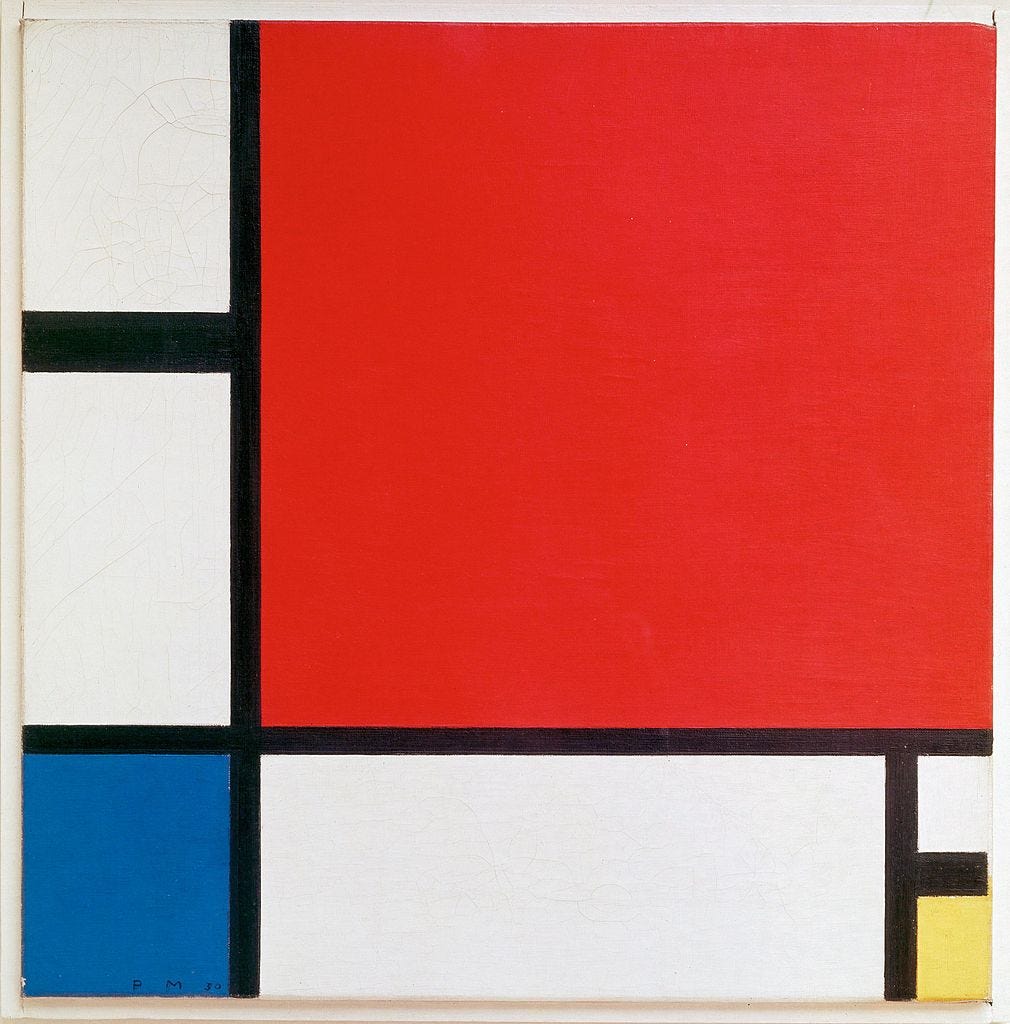
The finest products, strongest teams and best systems in the world all ascribe to the same common principle.
They are all ridiculously simple.
Simple rules allow for faster decision-making, easier communication and cleaner execution. They give rise to focus and breed trust.
Simplicity is built by people who know what to keep, and importantly, what to let go.
Einstein purportedly shared the following about the levels of human intelligence:

There is a reason why simple wins.
Simplicity is the pinnacle of intelligent creation. You might be the smartest person on earth, but if you are not able to communicate your ideas in a straightforward and effective way, you are destined to also be the loneliest too.
Simple means going back to the nature of things, deriving their essence.
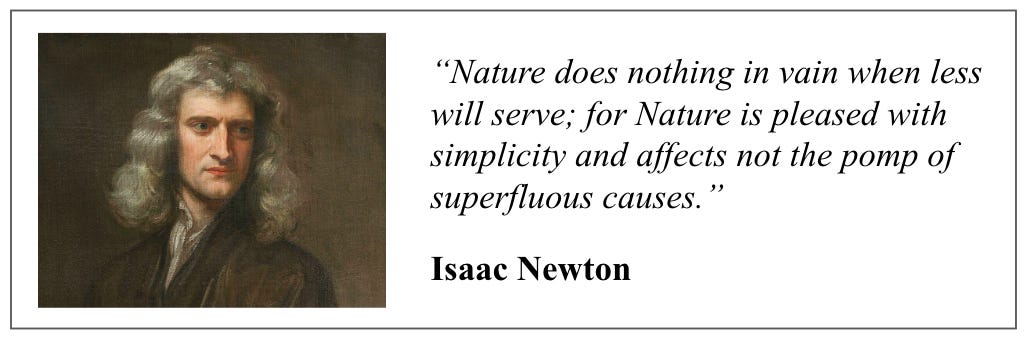
Simple is different from simplistic.
Simplistic under-estimates the complexity of things. Simple only comes after understanding complexity and breaking it down to its most fundamental elements.
“Everything should be made as simple as possible, but not simpler” is another quote often attributed to Einstein.
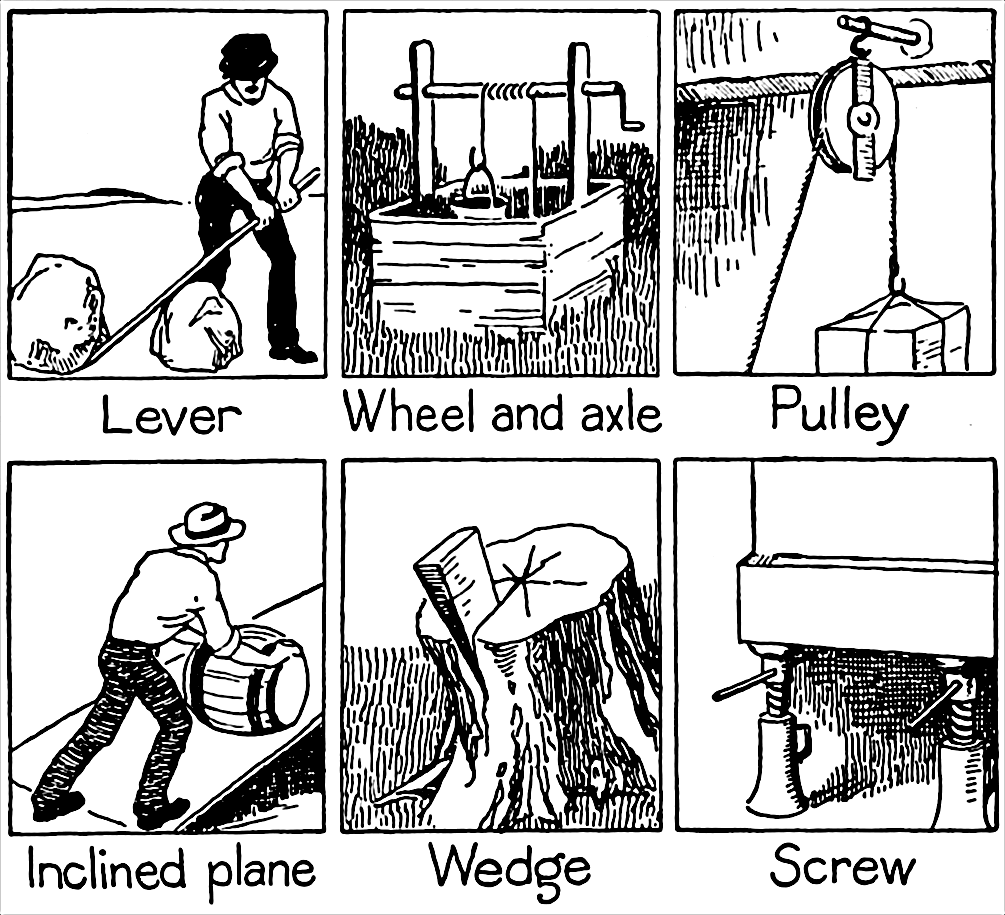
In physics, simple machines beautifully use mechanical advantage to multiply force.
The most iconic brands in the world communicate their entire identity in just four words (or less):
Just do it (Nike)
Think Different (Apple)
I’m lovin’ it (McDonalds)
A diamond is forever (De Beers)

The same principle should apply to everything that we build.
Every new product feature, line of code, presentation slide, sentence — they all present a choice: is this addition really needed or can we do without it?
My favorite example of simple messaging is Atari’s 1973 Pong arcade instructions:
Deposit quarter
Ball will serve automatically
Avoid missing ball for high score

Pong went out to become the first ever massively successful commercial video game.
Most of the time, the real work is not adding “one more thing” but having the courage to cut things out. This is why writing a 1,000 words essay might feel infinitely easier than trimming the same draft down to 50 words. In a world that always keeps adding and more is never enough, the art of subtraction looks like a quiet rebellion.
We should simplify our ideas as much as possible without compromising their integrity. Simplicity is not the enemy of rigor. Rather, it is the path to it.
True simplicity requires hard work and a relentless commitment to improvement.
John Ive, Apple’s design legend, once described the philosophy of unwavering simplicity he shared with Steve Jobs that made Apple products the most successful technology brand in the world:
“Simplicity isn’t just a visual style. It’s not just minimalism or the absence of clutter. It involves digging through the depth of the complexity. To be truly simple, you have to go really deep. For example, to have no screws on something, you can end up having a product that is so convoluted and so complex. The better way is to go deeper with the simplicity, to understand everything about it and how it’s manufactured. You have to deeply understand the essence of a product in order to be able to get rid of the parts that are not essential.” John Ive via Walter Isaacson
Simplicity does not always mean shorter, fewer or faster. It means being able to grasp what is essential and keeping it. By throwing the rest out, one holds to what matters.
When simplicity works, it feels inevitable.
Seamless. Clean. Unforced. Whole.
As if it was always meant to be that way.
Because it is.
An ode to simplicity
Be simple.
Look for the essence.
Humans, ideas, products.
Everything has a soul.
Find it. Caress it.

Simple is the hardest thing.
Write, discard, rewrite.
Build, throw, rebuild.
Try, fail, repeat.
It takes time.

Be simple.
Choose one thing.
Get rid of everything else.
Focus. Go deep.
Perfect it.

Simple is the easiest thing.
You see it, you know it.
Your heart feels it.
Your mind gets it.
It “just works”.